

Concrete Imaging
Concrete
X-Ray Imaging.
When absolute verification is required, X-ray gives you the clearest possible view of what is inside a slab or wall. We provide high-resolution internal imaging of concrete structures across Ontario, performed by licensed technicians using a full suite of radiographic technology.
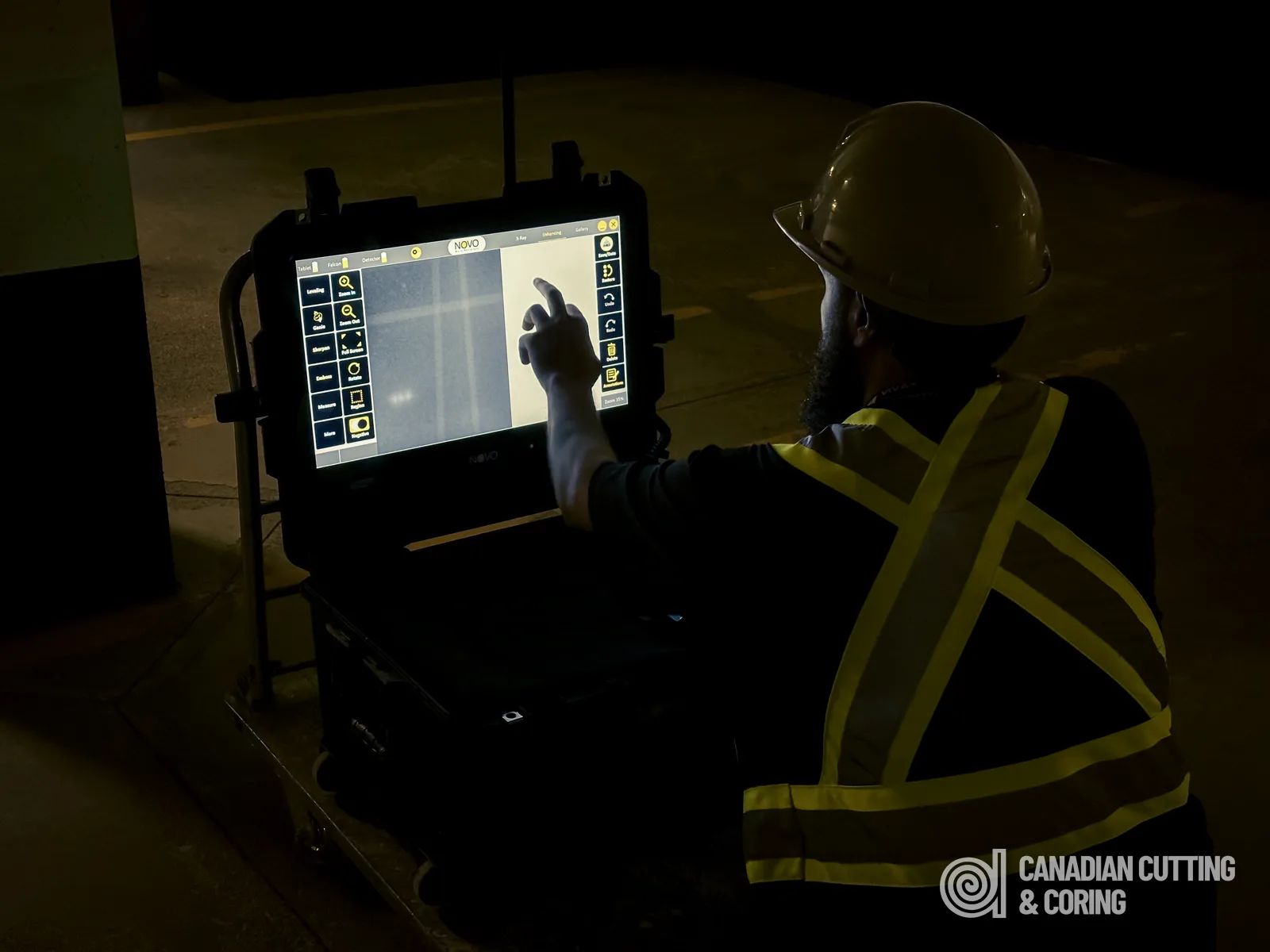
Two methods, both digital
The right technology for each project
We run both methods, and the choice comes down to the structure in front of us. The tube is faster and works within a tighter exclusion zone, so it is where we start on most slabs. Gamma comes out when the section is too thick or too heavily reinforced for a tube to get through it. Either way the image lands on a digital detector and you see it on site.
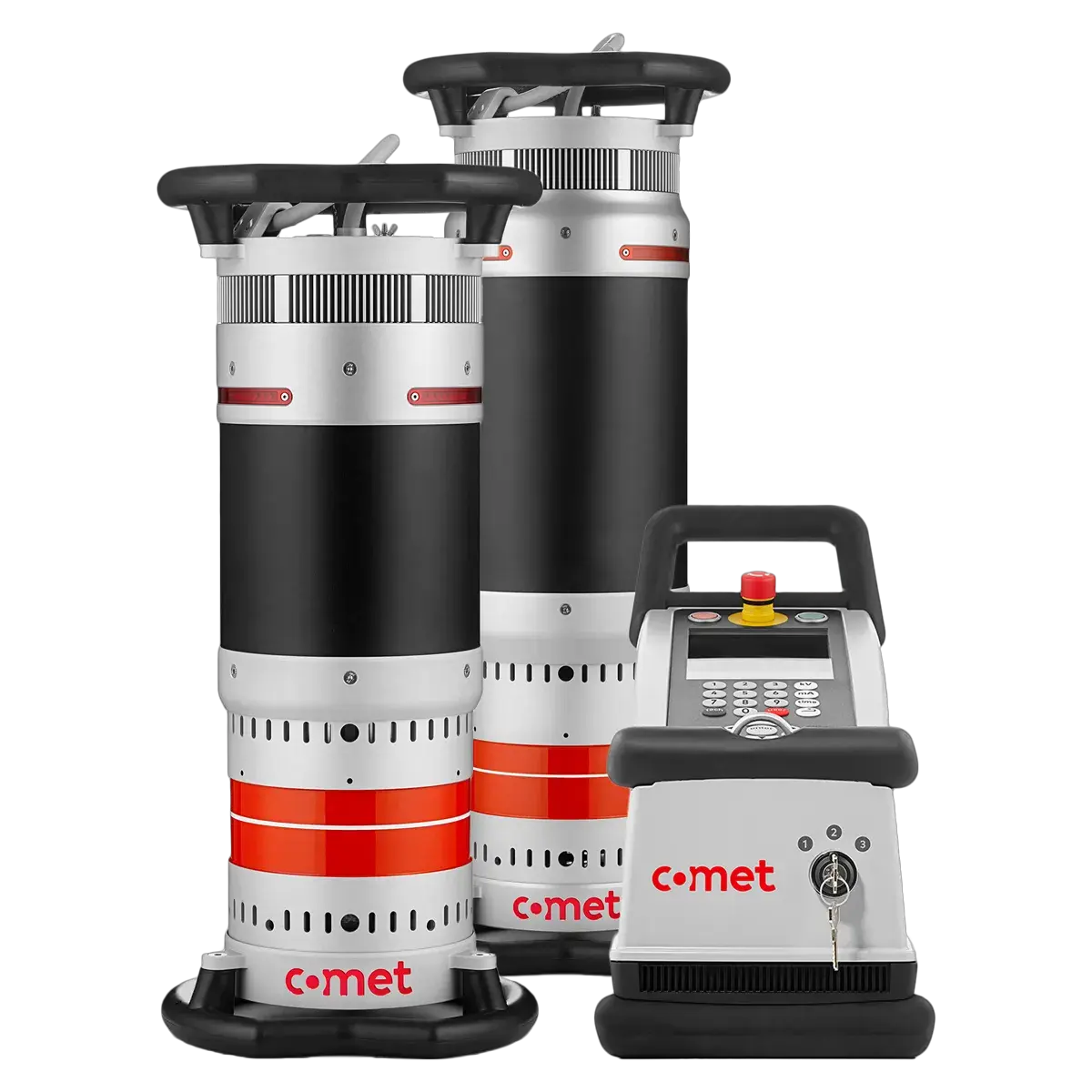
X-Ray
An adjustable-output electronic tube, tuned to the slab in front of us. It emits only while it is powered, which keeps the exclusion zone tight, and the image is on screen within seconds of the shot.
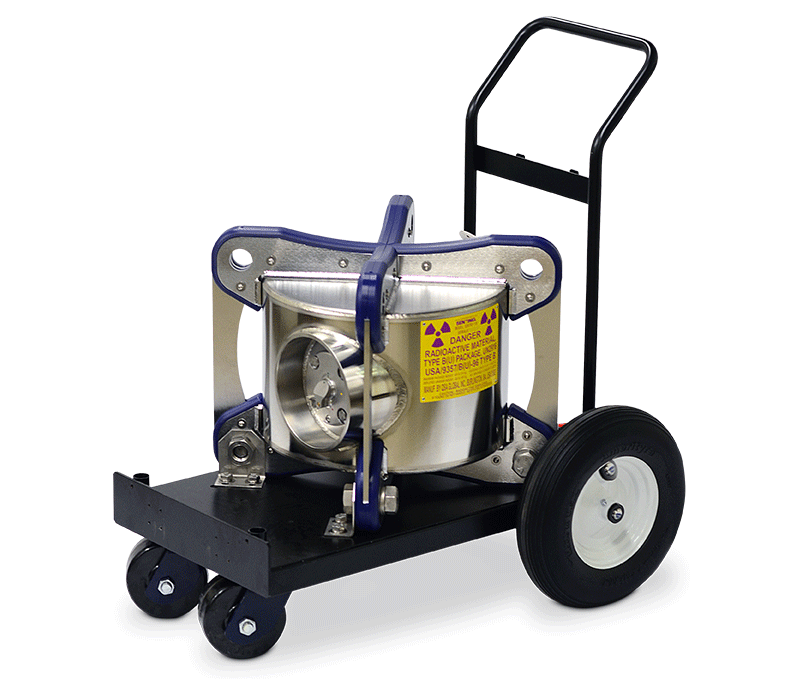
Gamma Radiography
A high-energy sealed source reaches through the thickest, most heavily reinforced sections, well past the point an electronic tube runs out of range. Like the tube, it images to a digital detector, so the result comes up on screen on site.
Digital radiography
More than an image.
A decision in real time.
The X-ray tube and the gamma source both expose to the same digital detector. What matters is what happens next.
Digital radiography gives your team immediate answers so work moves forward, not sideways.
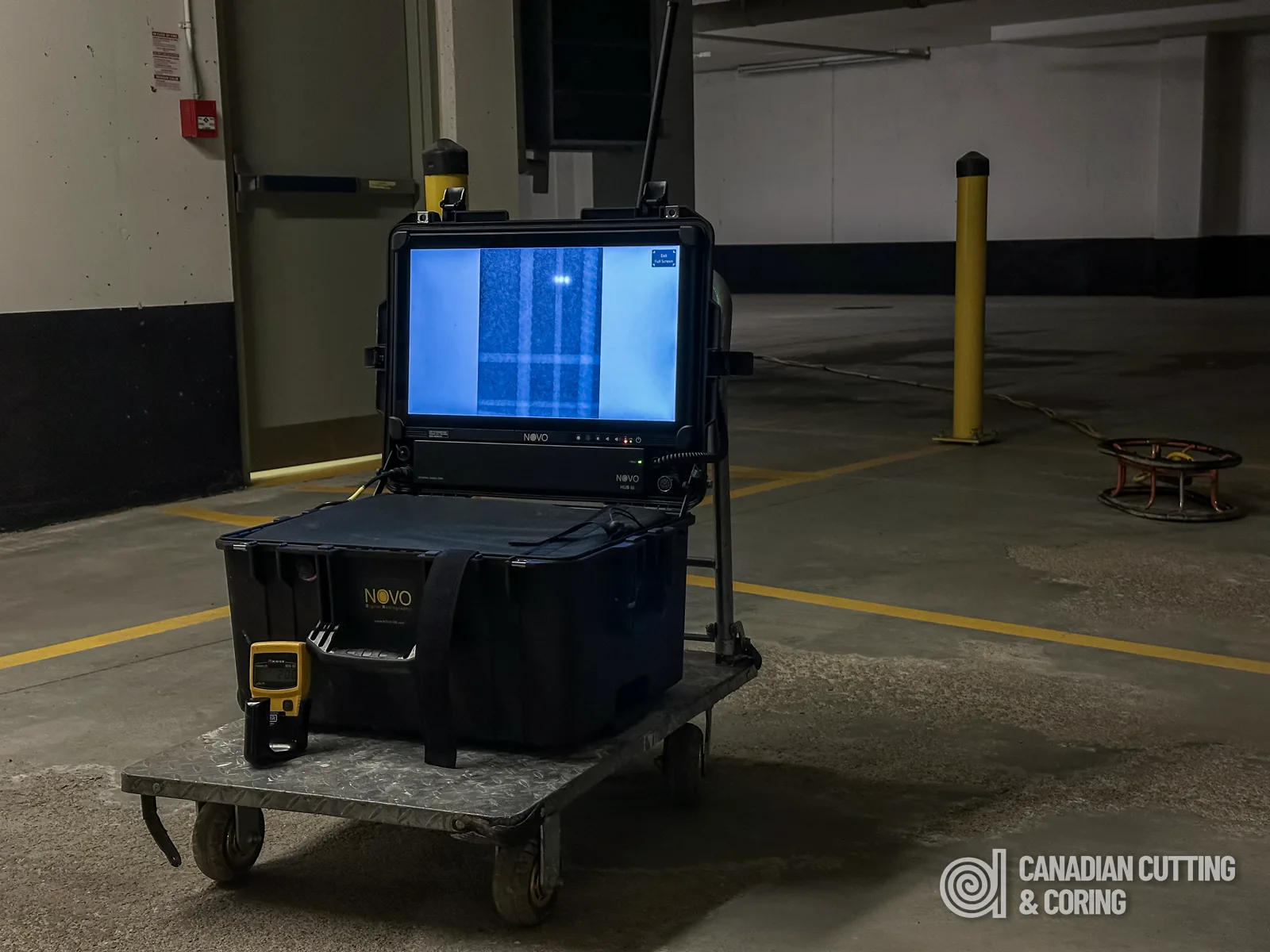
- The image is up in seconds
- No waiting. No processing. The image appears on screen immediately, so we can confirm exposure quality and coverage on site. If the angle or exposure needs adjusting, we take it again before we pack up.
- No surprises. No return visits.
- It can be worked, not just looked at
- We adjust contrast, brightness, and magnification live on screen. Faint targets that would be buried in a fixed exposure can be brought forward, and congested areas can be opened up until individual objects separate.
- You see every detail that matters.
- You learn what it is, not just that something is there
- Rebar, conduit, post-tension cable, and anchors all read differently once the image can be worked. Telling them apart is the difference between knowing something is in the slab and knowing what it is, where it runs, and where you can cut.
- Better information leads to better decisions.
Information you can act on.
Delivered the same day.
Files go straight from site to your engineer or project manager, so decisions that would otherwise wait on paperwork get made the same hour.
Reduce risk.
Avoid surprises.
Save time.
Keep projects on schedule.
The basics
What Is Concrete X-Ray?
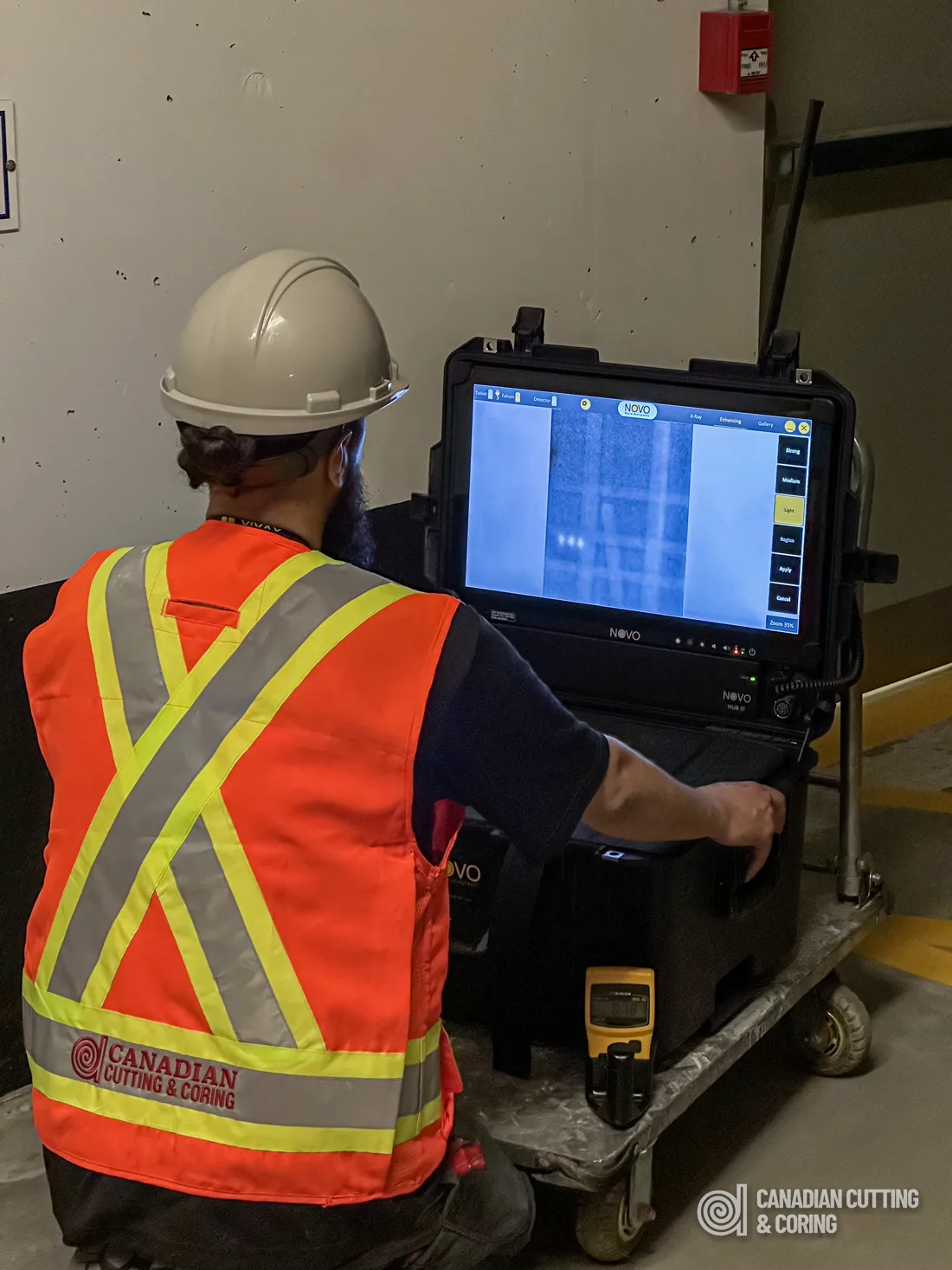
Concrete X-Ray is a non-destructive imaging method used to see inside concrete structures before cutting, coring, or demolition begins.
Using an electronic X-ray tube or gamma radiography, both of them shooting to a digital detector, our technicians can identify embedded conduit, reinforcing steel, post-tension cables, structural elements, and other hidden features that may not be visible from the surface.
Unlike Ground Penetrating Radar (GPR), X-Ray produces an actual image of the concrete’s internal structure, allowing project teams to visually confirm what lies beneath the surface before work begins.
What you get
What You’ll Receive
Our goal is to give project teams clear, usable information before cutting or drilling begins.
Surface Markings
Embedded hazards are identified and clearly marked directly on the concrete surface.
Digital Images
High-resolution radiographic images show the internal structure of the concrete.
Printouts on Request
Hard copies of the images and report are available whenever your team wants them on paper.
Professional Reporting
Clear reports include findings, images, observations, and recommendations for review by site teams, engineers, and project managers.
Why CANCUT
Why Contractors Choose Canadian Cutting & Coring
Advanced concrete imaging backed by decades of cutting, coring, and field experience.
Results in Seconds
We run digital radiography on both methods, so the image is up on site within seconds of the shot. Project teams review findings and make the call on the spot.
Controlled Exclusion Zones
Each project is reviewed to establish safe, practical exclusion zones based on the site conditions, imaging method, and work area. We post the line and we staff it. Outside it, your crews keep working.
Both Methods In House
A portable X-ray tube and a cobalt-60 source, both imaging to a digital detector. Which one goes on a job depends on the structure, the environment, and the project requirements.
Trusted on Critical Projects
Our team performs imaging in hospitals, transit systems, industrial facilities, occupied buildings, and other environments where accuracy, planning, and communication matter.
Same-Day X-Ray and Core
Imaging and coring handled in a single visit, so findings are reviewed and openings are cut the same day without booking a second trip.
Where Other Methods Reach Their Limits
High-energy radiography can inspect heavily reinforced and thick concrete structures that may be difficult to evaluate using other imaging methods.
What we ask of your site
You do not have to shut the building down.
We post a line, we put a watcher on it, and outside that line work carries on as normal. No restriction, no precautions, and no reason to send anyone home. These are the distances we ask you to keep clear while we scan with our portable X-ray tube.
- 33 ft10 m
- From the tube
- Measured in every direction, on the level we are working on. Outside that line it is a normal working area.
- 15 ft4.5 m
- On the floor above
- When we scan up through a slab, the circle to keep clear on the floor above, centred over the tube.
- 18 ft5.5 m
- Behind a block wall
- Scanning inside a room, an 8 inch block wall cuts what reaches the far side by about four times, so people behind it stand back less.
Every set-up is confirmed with a calibrated survey meter before the first scan. Gamma work runs under our separate federal licence and its distances are set job by job. Call us before you plan a shutdown or move crews around and we will size it with you. Site visits are free.
Safety first
Licensed, certified, and compliant
Radiography means working with radiation-emitting equipment, so every shot is run by technicians licensed to operate it. Electronic X-ray tubes emit only while powered and fall under provincial X-ray safety rules. Gamma work uses a sealed radioactive source, which is federally licensed and tracked.
The federal licence and the operator certification behind it are what allow a sealed source to be brought onto an occupied site, and they are what keeps deep, heavily reinforced sections imageable when a tube cannot reach through them.
We set and manage the exclusion zone ourselves rather than leaving it to your site team. On occupied floors and in active production areas that usually means imaging at night or on the weekend, so your crews keep working and the area is handed back as soon as the shot is clear.
Before we mobilize you receive our site requirements and a plain “what to expect” summary, so your team knows exactly what is needed on the day and nobody is working it out in the moment.
Licensed & Accountable
- CNSC licensed
- We hold a Canadian Nuclear Safety Commission licence for the sealed source used in gamma radiography.
- Safety Code 34
- Tube work is governed separately from the sealed source. We have adopted Health Canada Safety Code 34 for industrial X-ray equipment and comply with Ontario’s X-Ray Safety regulation under the Occupational Health and Safety Act.
- Certified operators
- Radiography is performed by CNSC Certified Exposure Device Operators. That certification is issued by the Canadian Nuclear Safety Commission itself, following a federal examination.
- Radiation Safety Officer
- Both programs, the sealed source and the X-ray tube, are run by Dylan Hachey. Questions about safety on your site can go to him directly.
Questions
Common questions
Can you X-ray and core in the same visit?+
Yes. We routinely image and core on the same day, so you avoid booking two separate trips and keep the schedule on track.
How thick a slab can you image?+
Electronic X-ray tubes handle slabs up to roughly 14 inches, and high-energy gamma sources reach up to roughly 26 inches, depending on site conditions and reinforcement density.
When do you use gamma instead of an X-ray tube?+
We use an electronic tube whenever it will do the job. It is faster, the output can be tuned to the slab, and it works within a tighter exclusion zone because it only emits while it is powered. Tubes run out of range at roughly 14 inches. Past that, on transfer slabs, foundation walls, and heavily reinforced deep sections, a high-energy gamma source is what actually produces an image. We run both in house, so the method is matched to the structure.
Do you need access to both sides?+
Yes. Radiography places the source on one face and the detector on the other, so two-sided access is required. We confirm access during planning and work around it.
Can you image Q-Deck and metal-pan slabs?+
Yes, and it is one of the main reasons X-ray gets specified. GPR reads radar reflections, and a corrugated steel pan acts like a mirror. The signal bounces off the metal, so nothing below the pan can be read, and the flutes throw repeating reflections that can be mistaken for embedded targets or make the slab thickness hard to trust. Radiography passes through concrete and steel alike, so a single image shows the full section including what sits down in the flutes. It does require access to both faces, which on a pan deck usually means the ceiling below.
Is it safe around occupied spaces?+
All work is performed by licensed technicians with controlled exclusion zones, full regulatory compliance, and scheduling that fits around occupied areas and active production.
What do I receive?+
Findings are marked directly on the floor, and you receive a detailed report along with digital images. Printouts are available on request.
Need certainty before you cut?